When I first started studying Management Information Systems (MIS), I thought it was mostly about managing databases and keeping systems running. Over time, I realized it is really about using technology to improve how businesses make decisions. With the rise of AI, that shift is happening even faster.
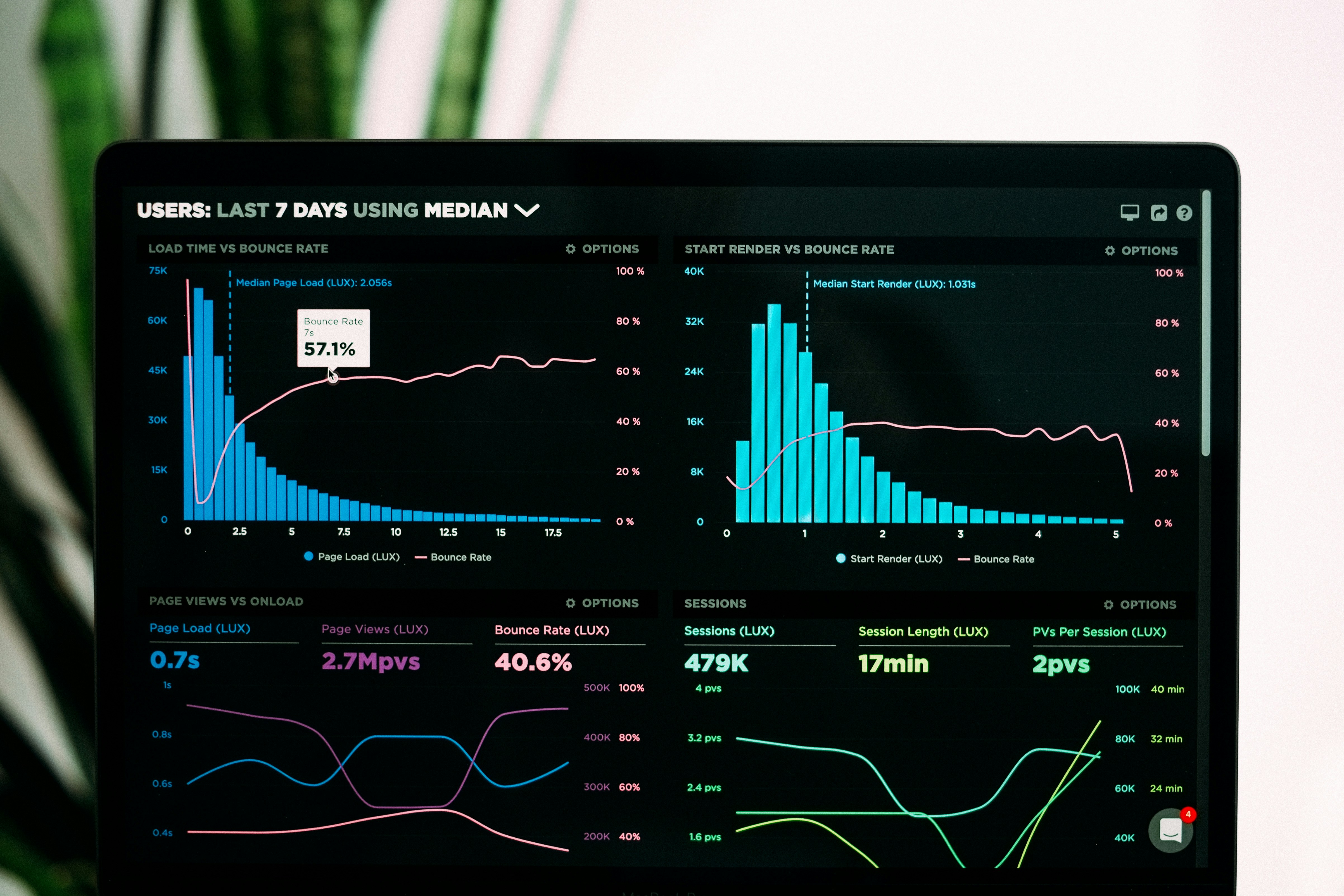
One of the biggest changes I have noticed is how decision-making is becoming more data-driven. Instead of relying on static reports, companies now use AI tools that can analyze large amounts of data in real time. This helps businesses predict trends, understand customer behavior, and respond quickly. From what I have learned so far, MIS plays a key role in connecting that data to actual business strategy.
Another thing that stands out is how the role of an MIS professional is changing. It is no longer just about managing systems. It is about understanding data and turning it into insights that people can actually use. Tools like dashboards, analytics platforms, and even basic machine learning concepts are becoming more important. At the same time, communication skills matter just as much, because data only has value if you can clearly explain it.

Personally, this is what interests me most about MIS. I have always liked working with technology, whether that is building PCs or experimenting with homebrew projects. My goal is to combine that technical side with business knowledge. AI is a good example of where those two areas meet. It is not just about how the technology works, but how it can actually be used to solve real problems.
AI is also improving efficiency across businesses. Automation tools can handle repetitive tasks like customer service responses or inventory tracking. This allows people to focus more on strategy and problem-solving. From my perspective as a student, it makes me think less about AI replacing jobs and more about how important it is to learn how to use it effectively.
There are also challenges that come with this technology. Issues like data privacy, algorithm bias, and ethical use of AI are becoming more important. MIS professionals have a responsibility to make sure these systems are not only effective but also fair.
Overall, I see AI as something that is reshaping MIS into a more practical and impactful field. As I continue building my skills, I want to focus on combining technical knowledge with business thinking to create useful solutions. AI is not replacing MIS professionals. It is raising the expectations for what we can do.
AI in business, MIS careers 2025, data analytics, business intelligence, machine learning in business, information systems
Images sourced from Unsplash (royalty-free). Alt text included for accessibility.
I used AI to help brainstorm ideas and organize the structure of this post. I then revised the content to reflect my own perspective as an MIS student, including my interest in combining technology and business. I reviewed everything for accuracy and adjusted the tone to ensure it sounds natural and authentic.
Using AI helped me get started by organizing my ideas and giving me a structure to follow. The first version felt too general, so I revised it and added my own experiences and interests to make it more personal. This made the final result feel more authentic. I learned that AI is useful for improving efficiency, but it still requires effort to make the work reflect your own voice and understanding.